
Community Service in New Hampshire: From Volunteer Work to Charity Casino Events
Passive voice is not really used in New Hampshire. People who have been to a three-hour town meeting in a drafty elementary school gym, or seen a small group of neighbors successfully fight back against a zoning decision that would have changed their street forever, will know what I mean. Community engagement here is not something you learn in civics class. It comes in many different forms, more than most people realize. Seasoned community organizers learn to consider time, resources, and local politics before choosing where to put their energy, much like players at playjonny casino who read the table before making a move.
What Is Community Activism, and Why Does It Matter in New Hampshire?
You hear the term "community activism" a lot, but it is important to stop and think about what it means in real life. It is not all protests and press statements. Every Saturday morning at the public library, someone who used to teach might be there to help kids with reading. Sometimes, a group of parents keeps attending school board meetings month after month until the administration acts on their concerns. The thing that ties them all together is that people are choosing to give their time and attention to something beyond their own household.
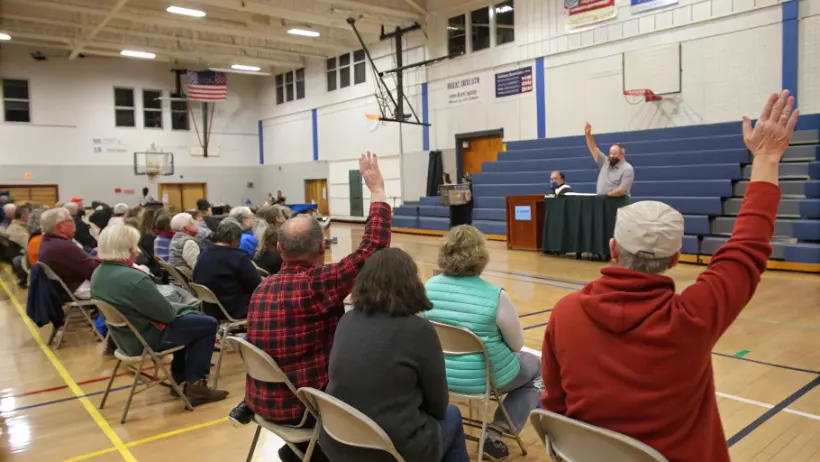
In New Hampshire, this choice goes back a long way. People in this state are used to town meetings, where they do not just vote for officials but also attend in person to discuss and decide on local issues. Because of this, civic participation is an expectation rather than an exception. This mindset sets the stage for grassroots organizing that feels less like swimming against the current and more like joining one that is already flowing.
Why Getting Involved Changes More Than Just Policies
People often judge activism by how much it changes policies or laws. Were the zoning changes stopped? Did the school get its funding? Those outcomes matter. But the effects that are harder to measure are often just as significant: the connections made between neighbors who might not have spoken otherwise; the sense of agency that people feel when they realize their community does respond to organized pressure.
- Active participation creates direct accountability between residents and city leaders.
- Volunteer-run programs often reach people that official institutions miss.
- Organized groups tend to recover faster after local disasters or crises.
- Young people are more likely to engage civically when they see others do it.
- Collective action often achieves what individual effort alone cannot.
- Being involved reduces the kind of social isolation that erodes neighborhood trust.
- Active neighborhoods attract long-term residents and local investment.
Community Activism Definition: What Sets It Apart
What exactly makes community activism different from other types of volunteering or charitable giving? The community activism definition most organizers work from goes beyond service — it includes advocacy. Not only are services being added, but efforts are also being made to address the conditions that created the need for those services in the first place. A food drive feeds people today. An effort to understand why people in a particular county do not have enough food is an act of activism.
This distinction matters because it shapes how people get involved. Volunteers provide help. Activists also speak out, ask difficult questions, and sometimes make local leaders uncomfortable. Both roles are valuable. In New Hampshire's civic tradition, there has always been room for both.
"It is not in state buildings that the most important changes in government happen. They begin at kitchen tables, church basements, and neighborhood potlucks. Democracy is really put into practice at the local level."
— A political instructor and community organizer
Platforms like wethepeoplenh.org exist to ensure that people across the state can connect with each other's efforts and access the same organizing tools available to residents in Manchester or Nashua.
Community Activism Examples Across New Hampshire
Community activism examples in New Hampshire range from institutions that have existed for decades to loosely organized groups formed last year to address a specific local issue. They all share a structure — regular meetings, clear roles, and some form of accountability — that helps move good intentions into real action.
Some of the most common examples include food drives organized by churches, social clubs, or neighborhood associations. They are easy to join, they meet a genuine need, and they continue year after year because the community keeps showing up. Environmental projects such as trail maintenance, river monitoring, and community gardens follow the same pattern: seasonal, accessible, and welcoming to people of all ages and experience levels.
| Initiative | Location | Volunteer Role | Community Benefit |
|---|---|---|---|
| Community food pantry | Concord, NH | Sorting donations, weekly distribution | Supports local families experiencing food insecurity |
| River cleanup program | Merrimack Valley | Litter collection, water quality monitoring | Improves ecosystem health and recreational access |
| Neighborhood watch network | Manchester | Resident reporting and coordination | Increases safety and community connection |
| Youth mentorship program | Nashua | Weekly one-on-one mentoring sessions | Improves academic outcomes and life skills |
| Affordable housing coalition | Statewide | Advocacy, public testimony, research support | Helps low-income residents access stable housing |
"Showing up is everything. When people see their neighbors speaking out for something, it makes them feel like they can too."
— Southern New Hampshire volunteer organizer
For many people, a single volunteer shift is how it starts. Once they go, see what is actually happening in their neighborhood, they keep coming back. Occasional helpers becoming dedicated activists is one of the most reliable ways local organizations grow.
Social Gaming and Charity Casino Events as Community Fundraisers
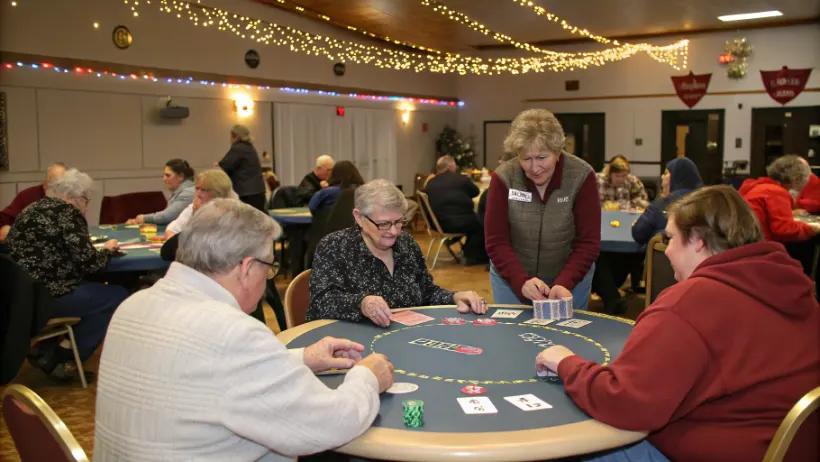
Charity gaming nights have become one of the most popular ways for nonprofits and social groups in New Hampshire to raise money. In the fall and winter, most community event calendars include at least a few of these evenings. They are organized by school booster clubs, local nonprofits, fire department auxiliaries, community foundations, and civic groups to raise funds for building repairs, scholarship funds, and program costs.
This format works because it does not feel like a campaign. People are not sitting through a lengthy program or bidding on silent auction items in a formal hall. They are enjoying themselves at a blackjack table and chatting with strangers over a hand of poker. Because the social atmosphere is relaxed and participation feels natural, people often stay longer and give more than they would at a traditional ticketed dinner.
From the organizer's perspective, the numbers make sense. Ticket sales cover baseline costs, table donations add to the total, and chip purchases during the event can push final figures well above what a standard admission-based event would raise. For small organizations without large donor networks, that difference is significant.
The less obvious benefit is what these evenings do for community cohesion. Long-time donors, new residents, local business owners, board members, and friends who came along for a fun Saturday night all end up at the same tables. Conversations that begin over a poker hand sometimes turn into partnerships, service commitments, and lasting relationships that outlast the evening itself.
How the New Hampshire Community Stays Engaged Over Time
Civic leaders with years of experience will tell you that launching a new initiative is not the hardest part. Sustaining engagement — keeping people involved after the initial excitement fades and the work becomes less visible — is where the real challenge lies. That is where the deeper machinery of community life becomes essential.
Wethepeoplenh.org and organizations like it do important connective work. By gathering information about events, volunteer opportunities, and advocacy efforts happening across the state, they make it easier for residents to find involvement that fits their schedule and interests. New Hampshire covers a wide range of communities and landscapes, from the Lakes Region to the Seacoast to the North Country, and this kind of broad reach helps close the information gap.
Ways to Join and Stay Active in Your New Hampshire Community
Making a real difference does not require leading an organization or running for office. Most civic groups will tell you that consistent, small-scale participation over time is more valuable than a single heroic effort.
- Attend a local town hall or selectmen's meeting several times in a row.
- Sign up for a single shift at a food pantry, trail crew, or youth program to get started.
- Join a neighborhood or issue-based group whose mission genuinely interests you.
- Donate to or help host a community charity event supporting local organizations.
- Follow local news and share information about community events within your personal network.
- Reach out to a nearby nonprofit and ask how your specific skills can support their work.
- Register to vote and participate in local elections, where individual votes carry the most weight.
New Hampshire's civic identity is rooted in the principle that people should stay close to their government because government works best when it remains close to the people it serves. That is not a platitude. It is how things actually get done here.
A Community Built on Showing Up
Strong communities in New Hampshire are not built on a single project or event. They are built on consistent presence. Residents give their political values concrete form by volunteering, speaking out, attending meetings, donating, and organizing. This place has a long civic history, and everyone who takes part — in whatever way works for them — adds to it.